
Ensure your practice meets all regulatory requirements with this updated checklist.
HIPAA Compliance Checklist involves robust risk analysis, strict access controls (like MFA), comprehensive employee training on PHI handling, encryption (at rest & in transit), secure BAAs with vendors, detailed audit trails, incident response planning, breach notification readiness, and continuous monitoring of physical and technical safeguards, focusing heavily on modern threats like phishing and ransomware. Key areas include appointing officers, documenting everything, managing patient rights, and ensuring Cures Act compliance for data exchange.
Core HIPAA Pillars
• Risk Analysis & Management: Conduct regular, thorough assessments to identify vulnerabilities and create mitigation plans for threats to Protected Health Information (PHI).
• Policies & Procedures: Develop, document, and regularly update written policies for PHI creation, storage, transmission, and disposal.
• Workforce Training: Implement mandatory, role-based training on HIPAA rules, security best practices, and how to spot phishing/social engineering.
• Business Associate Agreements (BAAs): Ensure all third-party vendors handling PHI sign and adhere to BAAs.
Technical Safeguards
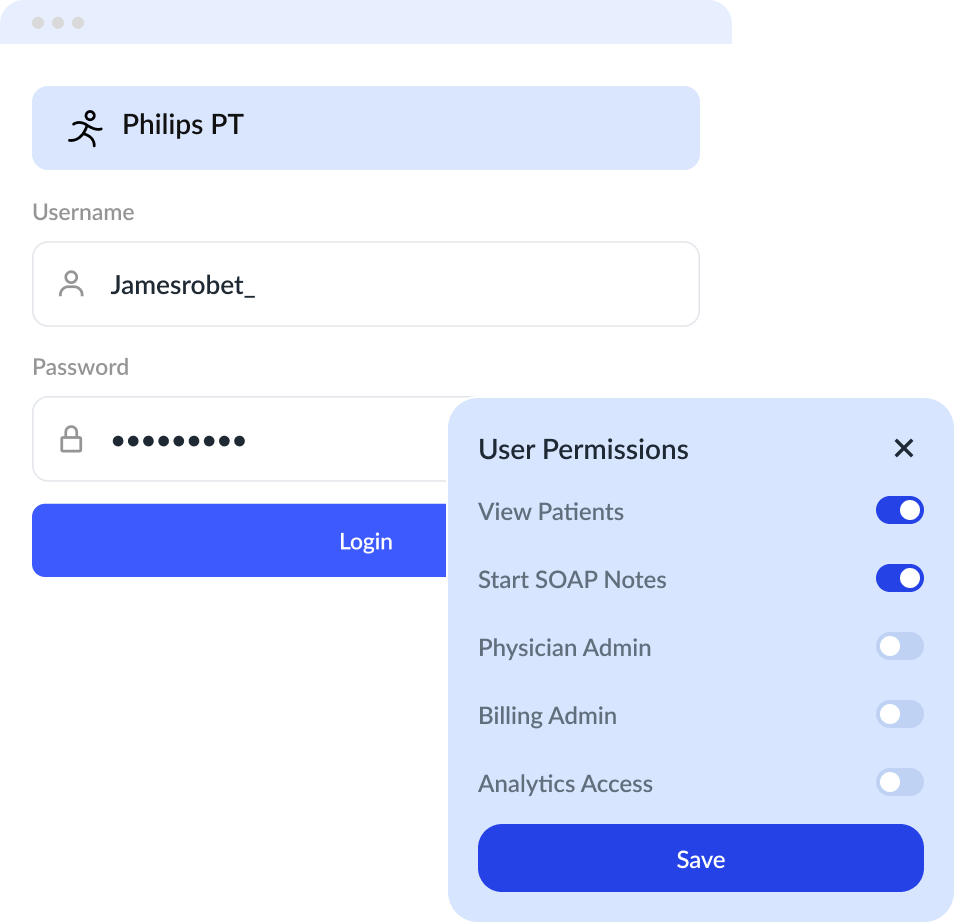
• Access Controls: Enforce strong passwords, Multi-Factor Authentication (MFA), role-based access, and unique user IDs.
• Encryption: Encrypt PHI at rest (storage) and in transit (network) using secure protocols (TLS/SSL).
• Malware Protection: Implement anti-malware and endpoint security.
• Audit Controls: Maintain detailed, tamper-proof audit logs of PHI access and activity.
• Data Backup: Securely back up data for disaster recovery.
Physical Safeguards
• Facility Access Controls: Restrict physical access to servers, workstations, and records.
• Device & Media Controls: Secure disposal of hardware and media containing PHI.
Incident Response & Breach Notification
• Incident Response Plan: Create and test a plan for detecting, reporting, and responding to security incidents.
• Breach Notification: Understand and be prepared to comply with the Breach Notification Rule for timely reporting.
Patient Rights & Cures Act
• Patient Access: Ensure patients can easily access, review, and request amendments to their records.
• Data Exchange: Support secure, compliant data sharing (e.g., FHIR) and prevent information blocking, per the 21st Century Cures Act.
Ongoing Compliance
• Continuous Monitoring: Regularly audit systems and processes.
• Documentation: Keep detailed records of all compliance activities, training, and risk mitigation efforts
Ready to learn more?
Discover how Ayusmart can help you implement these strategies in your practice today.